AUGUST 27, 2026
FIA grants no new engine concessions after second review
Formula 1's second ADUO assessment produced no additional upgrade opportunities for any power-unit manufacturer.
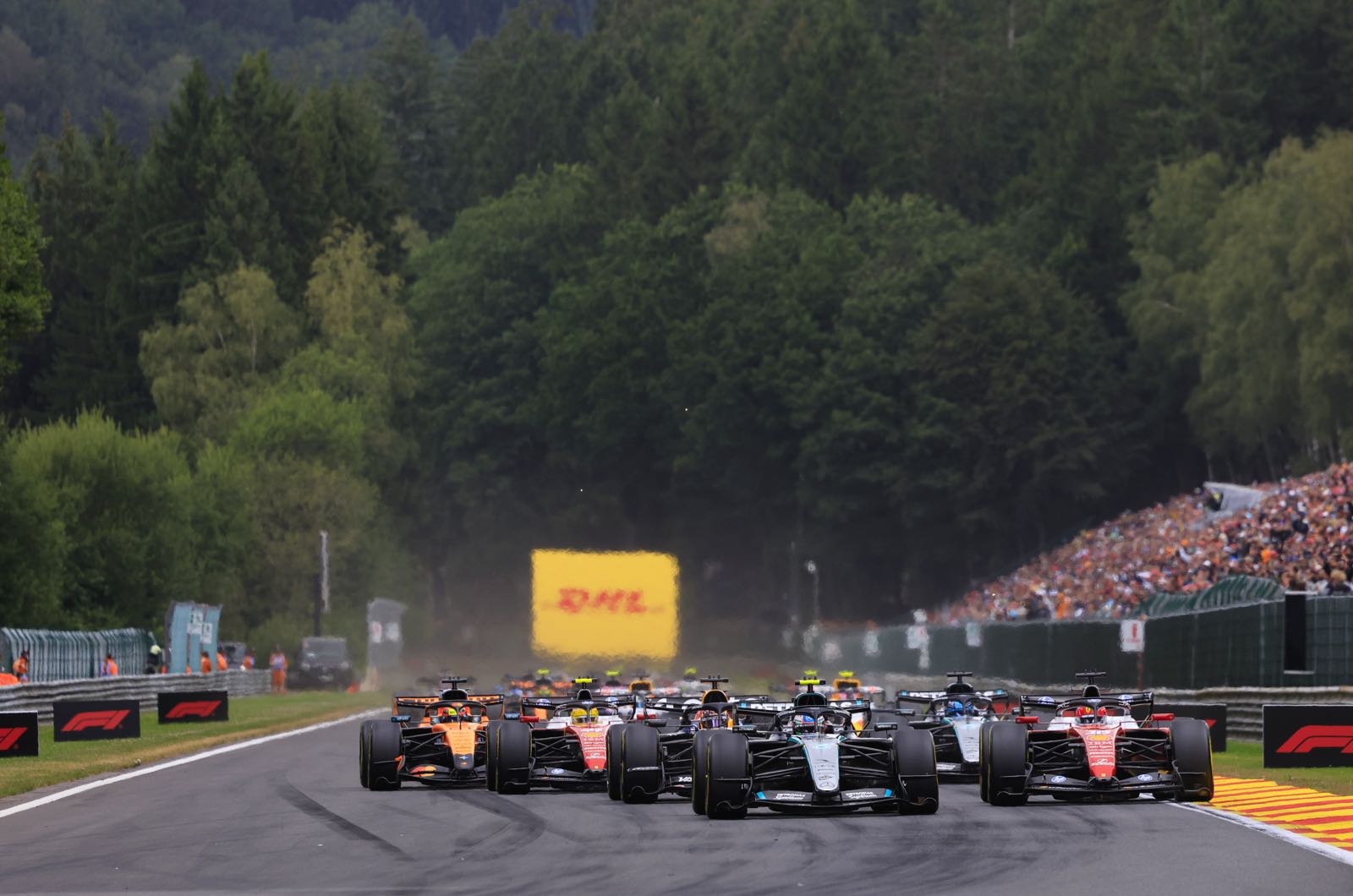
© Mercedes-Benz Grand Prix Ltd.
Formula 1's engine manufacturers have received the result of the second ADUO assessment, and the result is that nobody gets anything new.
The Additional Development and Upgrade Opportunities system was introduced to stop a manufacturer becoming trapped with an uncompetitive engine under Formula 1's homologation rules. A combustion engine measured at least two percent behind the benchmark can earn extra upgrades, dynamometer running and cost-cap allowances.
The first review produced the curious result of Red Bull-Ford setting the benchmark in its debut season. Mercedes was placed between two and four percent behind and received one additional homologation in both 2026 and 2027. Audi, Ferrari and Honda were more than four percent adrift, earning two additional homologations in each season.
The FIA has now completed its second assessment, covering the season through the Hungarian Grand Prix, and says no manufacturer qualified for further concessions.
FIA single-seater director Nikolas Tombazis described the analysis as thorough and said the governing body had a high level of confidence in its findings. He nevertheless acknowledged that ADUO is new and may be refined in consultation with the manufacturers.
The ruling does not remove concessions awarded during the first period. Mercedes can therefore introduce its upgraded specification at Monza, where championship leader Kimi Antonelli is already due to take a grid penalty for a new engine.
Toto Wolff says the team is still discussing whether George Russell should make the same change. Ferrari has reportedly assembled updated engines for Lewis Hamilton and Charles Leclerc but has yet to decide whether to introduce them at its home race.
The third assessment will cover the seven Grands Prix from Zandvoort to Mexico City. By then the more interesting question may be whether the catch-up mechanism is genuinely compressing the field or merely generating a new argument about how performance should be measured.