AUGUST 28, 2026
Honda update hits target but Aston faces driveability test
Honda's revised engine delivered its expected improvement at Zandvoort, but Aston Martin still needs better braking and power-delivery behaviour.
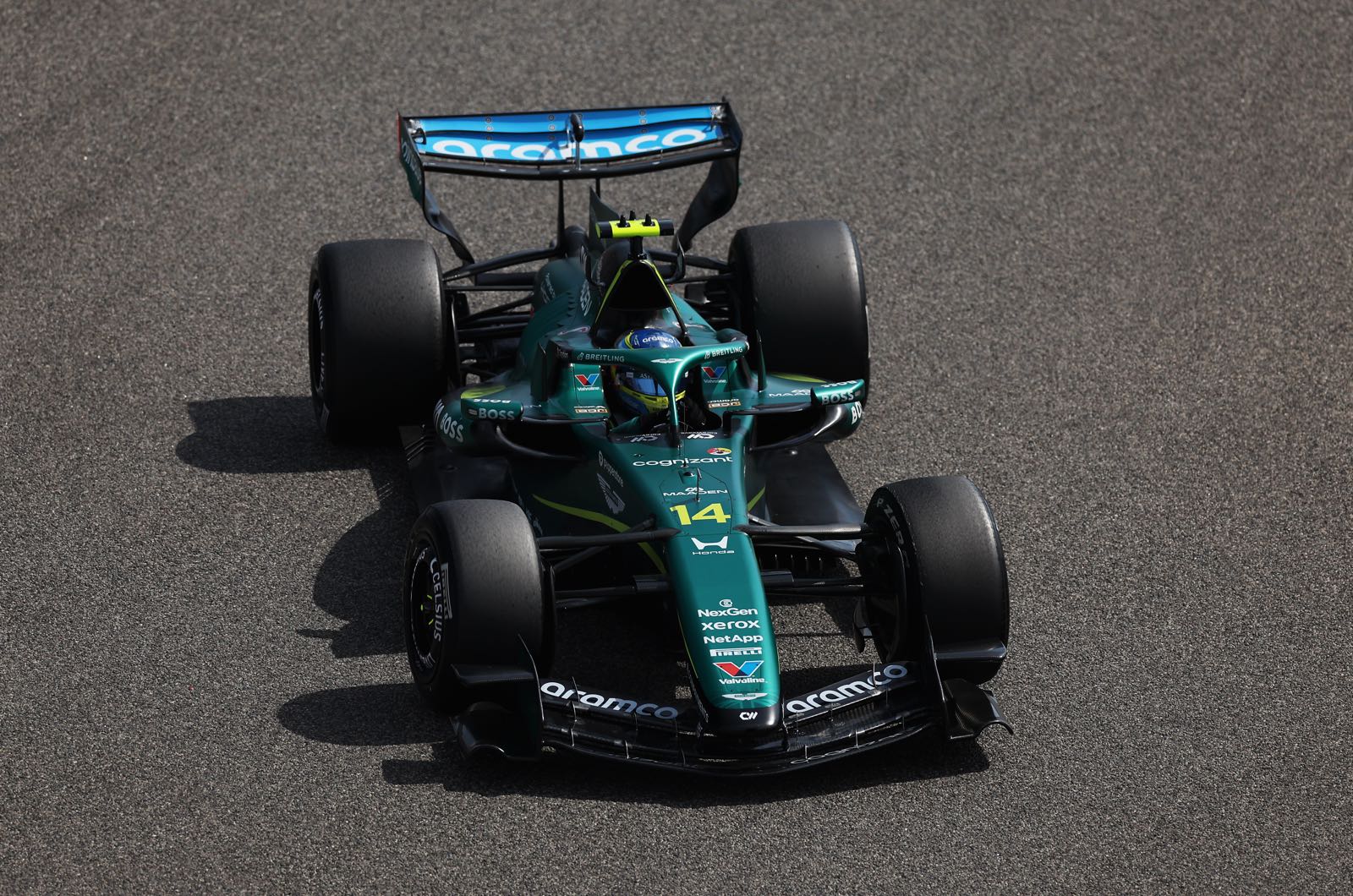
© Aston Martin Racing
Honda left Zandvoort with evidence that its revised Formula 1 power unit works, although not yet in quite the way Fernando Alonso and Lance Stroll would like.
The latest specification completed the Dutch weekend without a reliability problem and produced the improvement Honda had seen on its dyno. Alonso finished ninth, Aston Martin's best result of the season.
Honda F1 chief engineer Shintaro Orihara said the company achieved our internal target from the dyno
and confirmed the same gain at the circuit.
The remaining problem is driveability.
Under the 2026 regulations, the internal-combustion engine, MGU-K, battery, brake-by-wire system and gearbox must work together as the car changes from acceleration to energy harvesting and braking. If the various systems disagree about what should happen next, the driver receives an unpleasant surprise at precisely the moment he is trying to enter a corner.
Honda introduced revised calibration software during the Zandvoort weekend and found an improvement. It still did not give the drivers the consistency they wanted.
The work will continue before Monza, where straight-line performance will make the engine's progress easier to judge and any remaining deficiency rather harder to conceal.
Aston Martin has made a substantial step with its latest chassis and engine package. Alonso estimated that the team had recovered around three seconds over two weekends.
It is progress, but not yet a cure. Honda's update has shown that the numbers can move in the right direction. The next task is persuading the car to do the same thing every time the driver releases the throttle.