AUGUST 25, 2026
FIA condemns abuse after Colapinto penalty dispute
The governing body is considering legal options after Dutch Grand Prix penalties prompted threats against Formula 1 stewards.
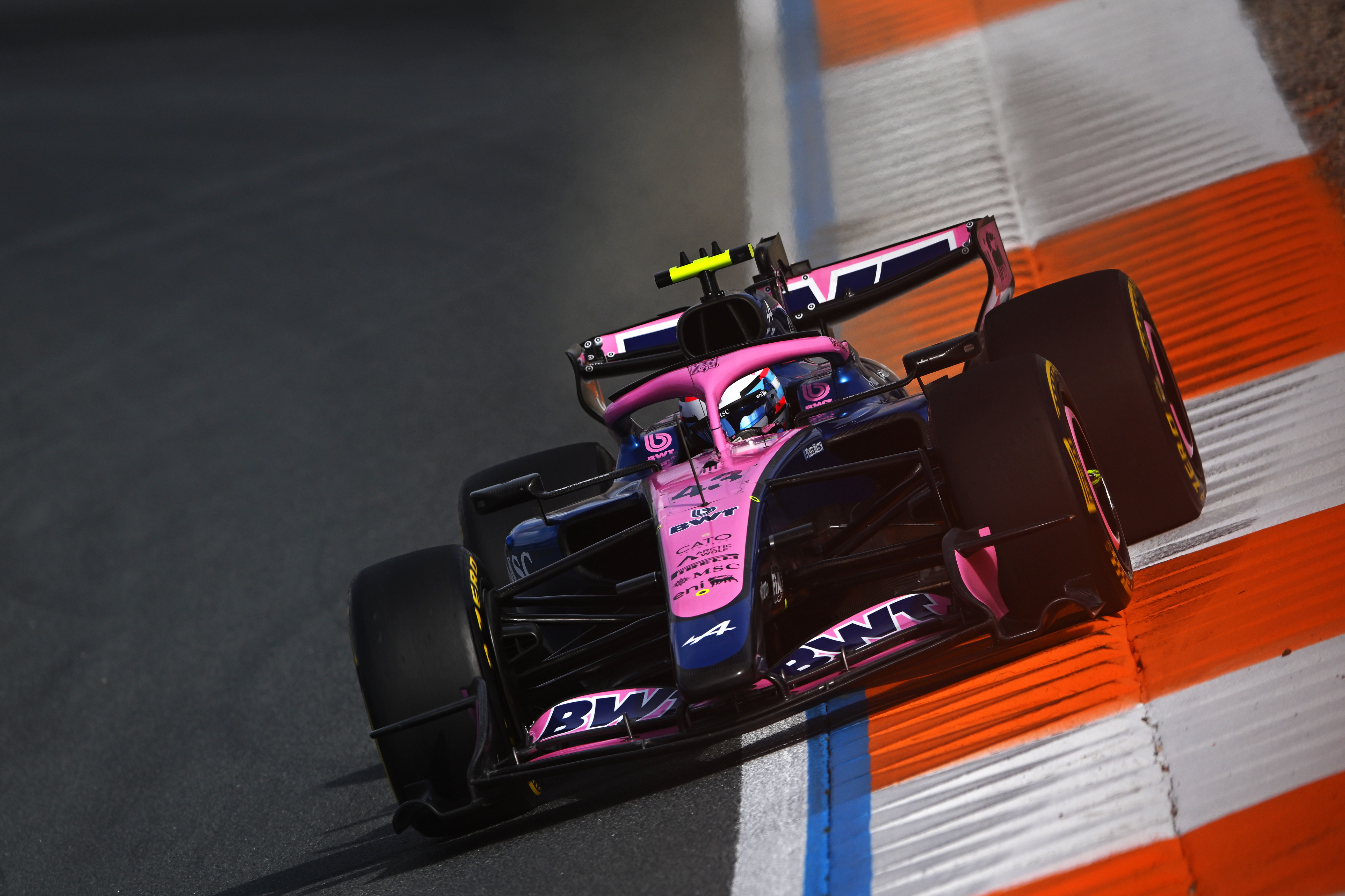
© Alpine
The argument over Franco Colapinto's Dutch Grand Prix penalty has moved beyond sporting disagreement after the FIA said its stewards were targeted with online threats and abuse.
Colapinto and Racing Bulls driver Arvid Lindblad both received drive-through penalties for overtaking in a double-yellow sector following Max Verstappen's opening-lap accident. Colapinto passed Yuki Tsunoda after taking evasive action around debris, while Lindblad passed Pierre Gasly in similar circumstances.
The stewards acknowledged the complications and reduced what would normally have been a ten-second stop-and-go penalty. Even so, Colapinto called the punishment extremely harsh
and argued that officials should have greater flexibility when judging the safest response to an unusual situation.
Alpine agreed that the penalties were severe but accepted that they matched the written rule and had been applied consistently to both drivers.
The controversy escalated when Sean Summers, chief marketing officer of Colapinto sponsor Mercado Libre, attacked the stewards' competence and integrity on social media, asking: Incompetence? Dishonesty? Both?
That rhetoric was followed by abuse directed at the stewards and at Alpine's own accounts. The FIA's United Against Online Abuse Coalition said disagreement is part of sport but must never justify threats or personal attacks
. The governing body is also reported to be considering legal options.
Claims that Colapinto was singled out because of his nationality are difficult to reconcile with Lindblad receiving the same punishment for a closely comparable infringement. Lindblad is British.
There is a legitimate debate about whether the prescribed penalty gives stewards enough freedom when drivers are avoiding debris. There is no legitimate extension of that debate that involves threats against officials.
Formula 1 can review its rules without pretending every unwelcome decision is evidence of corruption. That distinction has become the most important part of this particular story.